Maria bought her older home in early 2019 so she and her daughter could live closer to family. The house adjoined the property of her sister’s family. Several years later, her parents, both now 82 years old, were able to downsize into a smaller home next door. Together, they created a small family community.
But like many older homes, the house came with challenges.
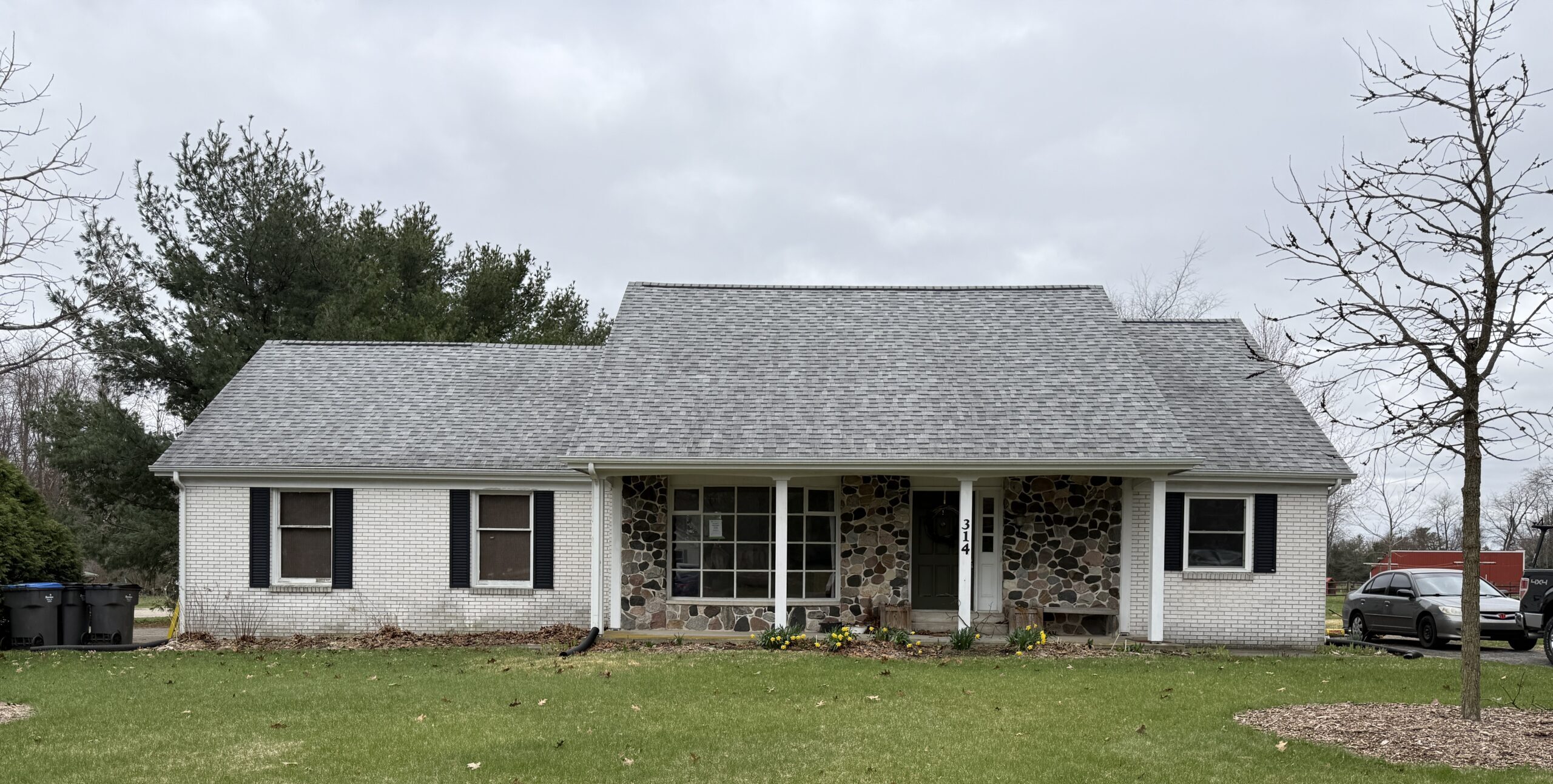
The property had once sat vacant for years before being repaired enough to become livable again. While it provided the foundation for a fresh start, important repairs still remained. Drafty rooms, outdated windows, damaged flooring, poor insulation, freezing laundry pipes, and a peeling ceiling all added stress to daily life. The most urgent concern was an aging back deck entrance with unsafe steps and railing, the primary entrance used by the family and by her elderly parents when they visited.
The home was livable, but the repairs felt overwhelming.
Maria reached out to Lacasa and learned that the Help-A-House program and the Dream$avers Matched Savings program could work together to make meaningful repairs possible. While the deck project did not neatly fit within the Help-A-House program, Lacasa staff advocated on her behalf, explored options, and sought approval for a Dream$avers account because of the safety concerns involved.
That persistence opened the door to progress.
With support from Lacasa’s Housing Counseling and Real Estate Development teams, Maria navigated each step of the process. From paperwork and inspections to scheduling and communication, Lacasa helped make a complicated process feel manageable.
I felt supported… it seemed like they wanted to find a way to help out with part of that, and support my efforts to care for the house.
Then the transformation began.
Lacasa’s Real Estate Development team completed a wide range of repairs, including:
The repairs to the deck were done by an additional contractor paid for through funds from her Dream$avers Matched Savings account.
The changes were practical, but their impact was deeply personal.
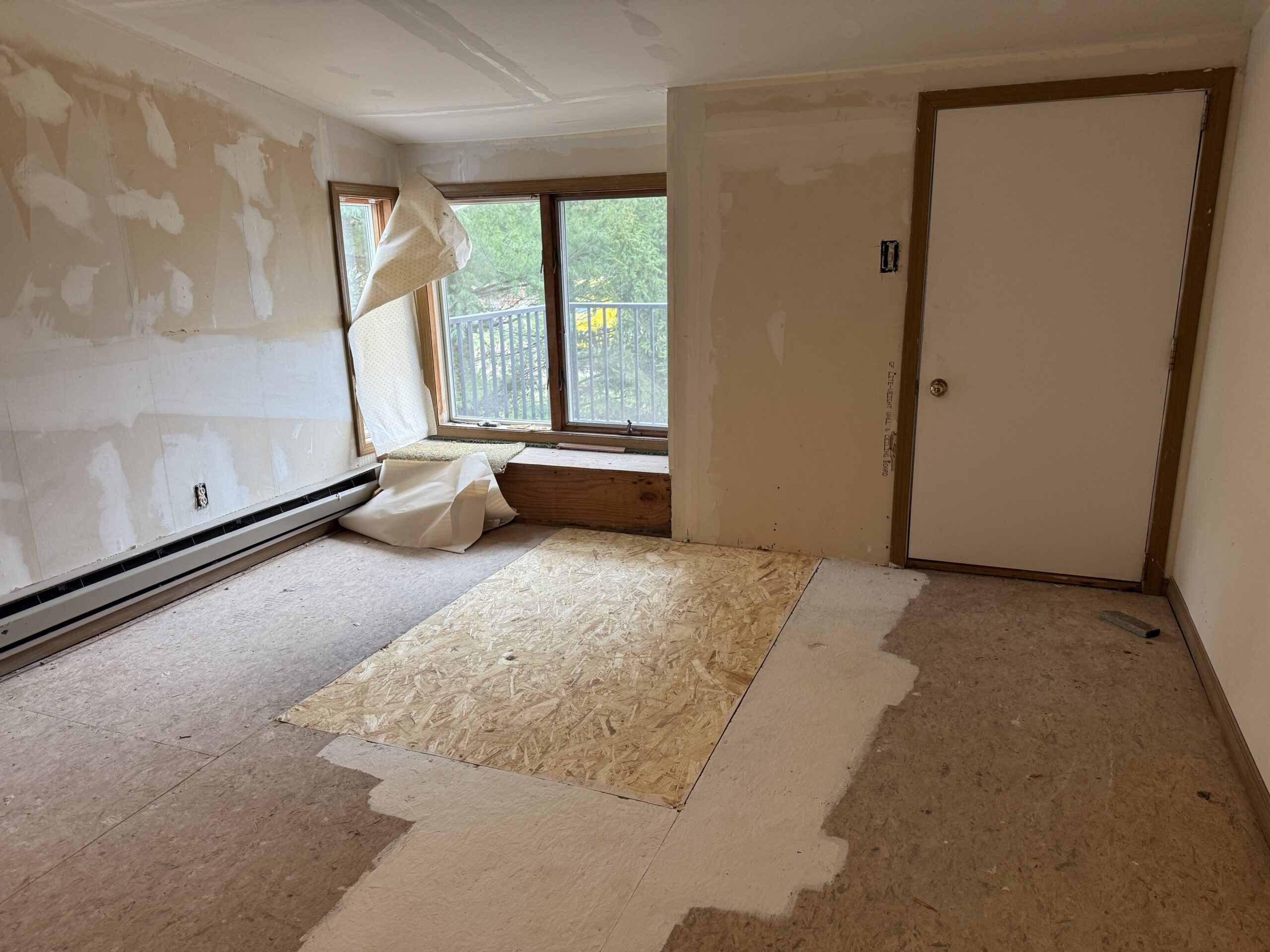
Subfloor in bedroom repaired.
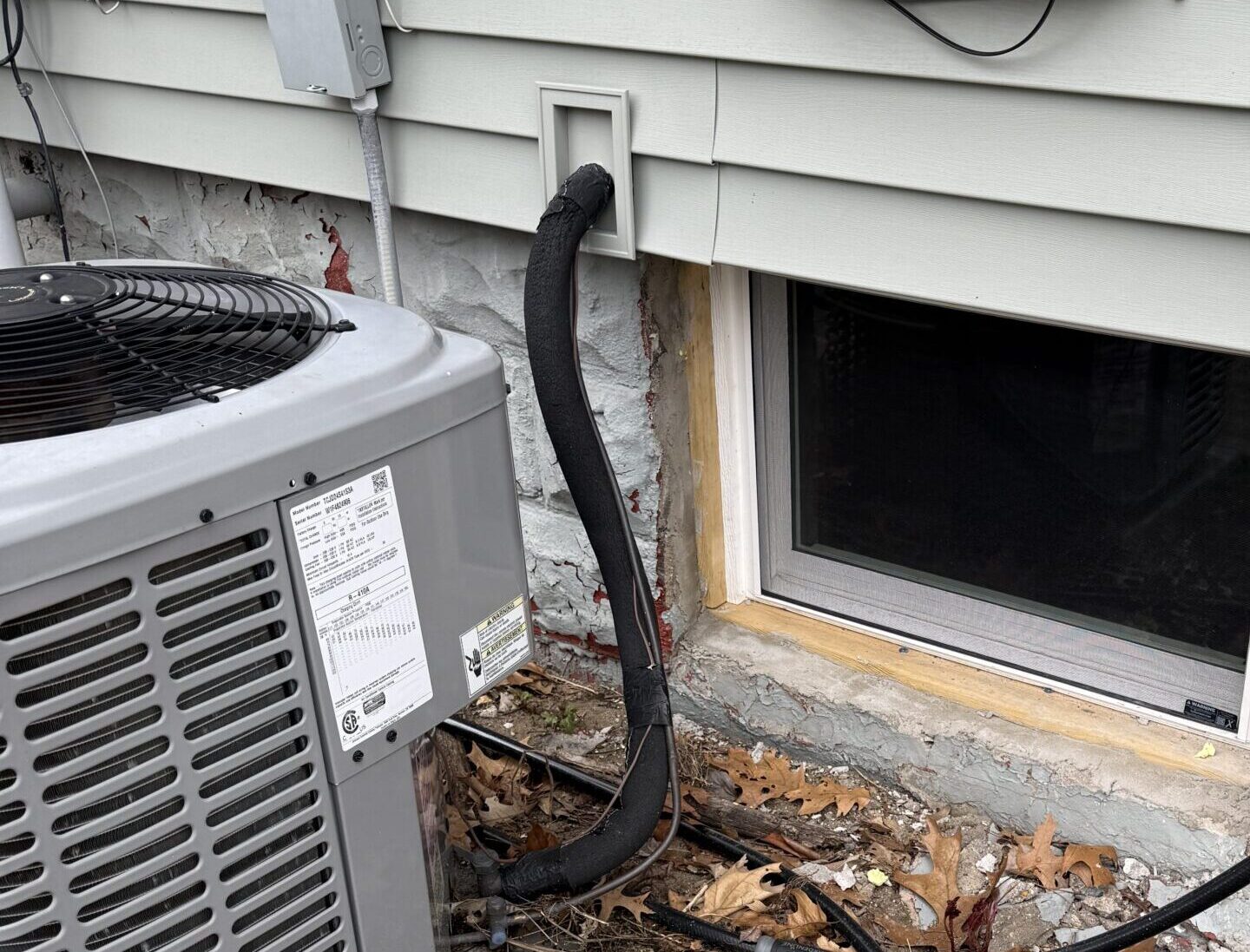
Replacement windows installed throughout basement.
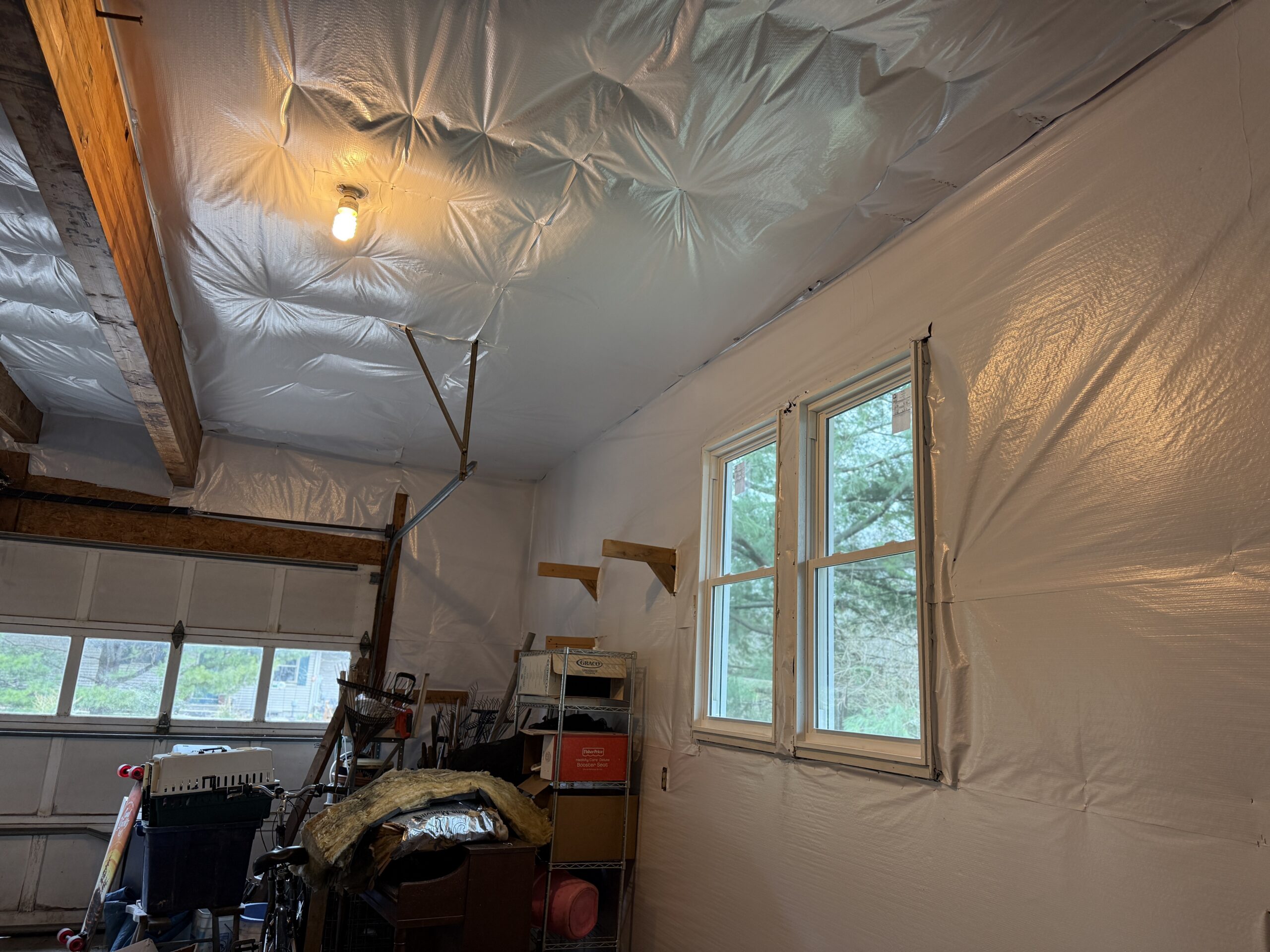
Garage interior insulated.
Maria no longer worries about her parents safely entering the home. Rooms feel warmer, more comfortable, and more presentable. The project even inspired additional improvements of her own, including refinishing floors and painting walls with help from family members. What once felt overwhelming now feels like an accomplishment.
She summed it up simply: “The house feels more snug and safe.”
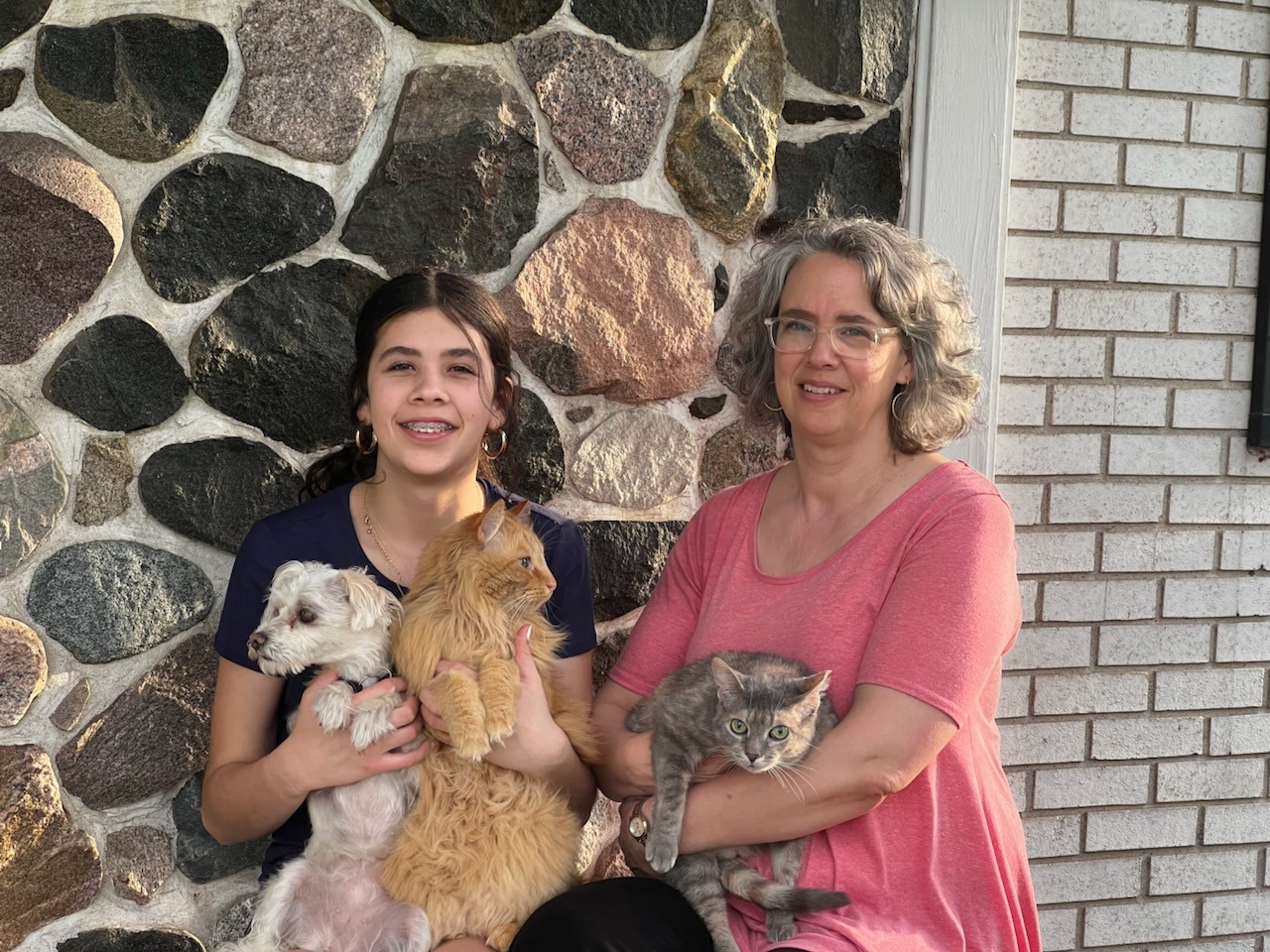
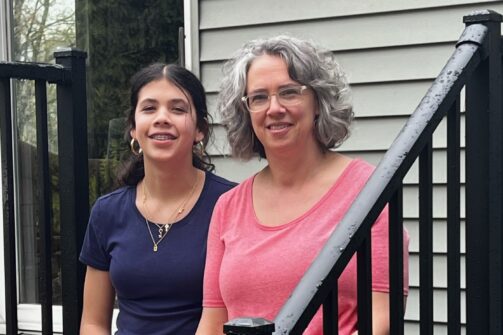
Maria and her daughter pictured with their pets.
Stories like this show why programs like Help-A-House and Dream$avers Matched Savings matter.
Help-A-House helps income-qualified Goshen homeowners complete critical repairs that preserve housing and strengthen neighborhoods. Dream$avers helps participants build savings through matched funds that can be used for goals such as home repairs, education, or purchasing a vehicle or home.
Maria also wanted donors and volunteers to understand the deeper impact of their support:
“People skilled in home repair and remodeling possess a great asset that’s needed to help improve communities. Blessing others by doing that work impacts people’s daily experiences of home, and their sense of security, safety and well-being. This, in turn, allows them more energy to contribute to the world in their own unique ways.”
She also shared how meaningful it is to know donors care enough to invest in families like hers.
Maria said she finds it inspiring that supporters like The Fidler Family Fund and First State Bank are willing to share their resources to help make homes, families, neighborhoods, and communities safer and more secure.
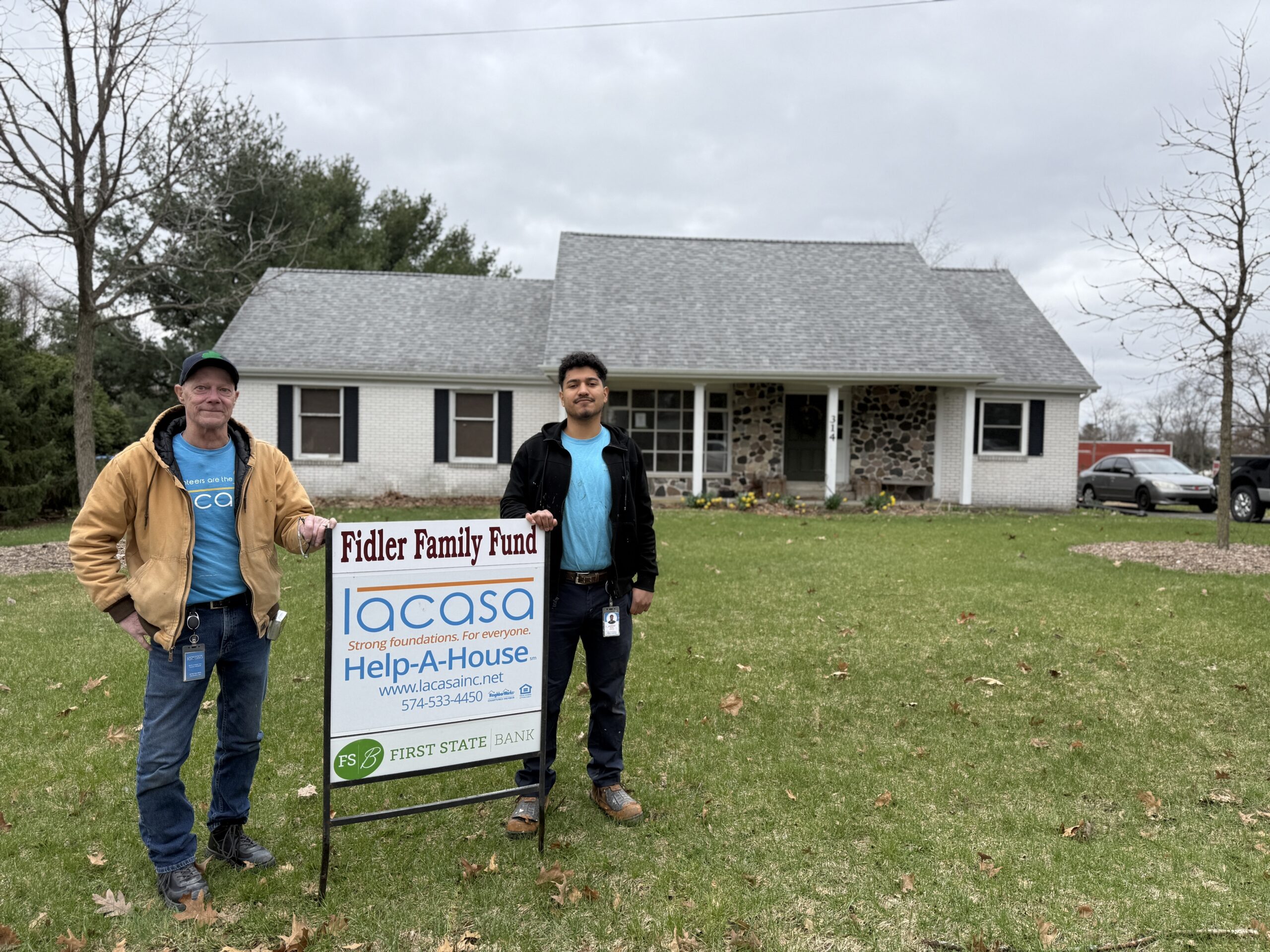
Lacasa construction crew Dave Slovinski and Adrian Mora standing outside Maria’s home.
I want donors and volunteers to know how much of an impact it makes in people’s lives when Lacasa helps them get certain seemingly unattainable home projects completed, and in a professional way. The Dream$avers Matched Savings program provides a really amazing opportunity for people to get a leg up on a home project, the cost of education, or the major purchase of a car or home. When a home becomes safer and stronger, so does everything built inside it.